Infection prevention control has been high on the political agenda and on the agenda of NHS England for the last twenty years. Sadly, the COVID-19 pandemic has accentuated the overuse of antimicrobial agents, the reality is that around 80% of infectious diseases are transmitted through unclean hands, and by simply cleaning our hands properly and thoroughly and by cleaning highly touched surfaces with soap and water we would see a reduction of infections being spread.
Across Europe and the UK, 1 in 10 patients that receive treatment in a hospital contract a Healthcare Associated Infection (HAI) and in the UK alone, it was reported that in 2017 a HAI was the cause of 28,500 deaths in just one year*. 70% of deaths related to HAI’s are caused by drug-resistant bacteria.
The spread of infections and antimicrobial resistance (AMR) are major threats to public health. Experts are forecasting that by 2050, 10 million deaths will occur each year due to AMR – this would mean it would be the number one cause of deaths worldwide. Managing both is a constant challenge for all healthcare facilities.
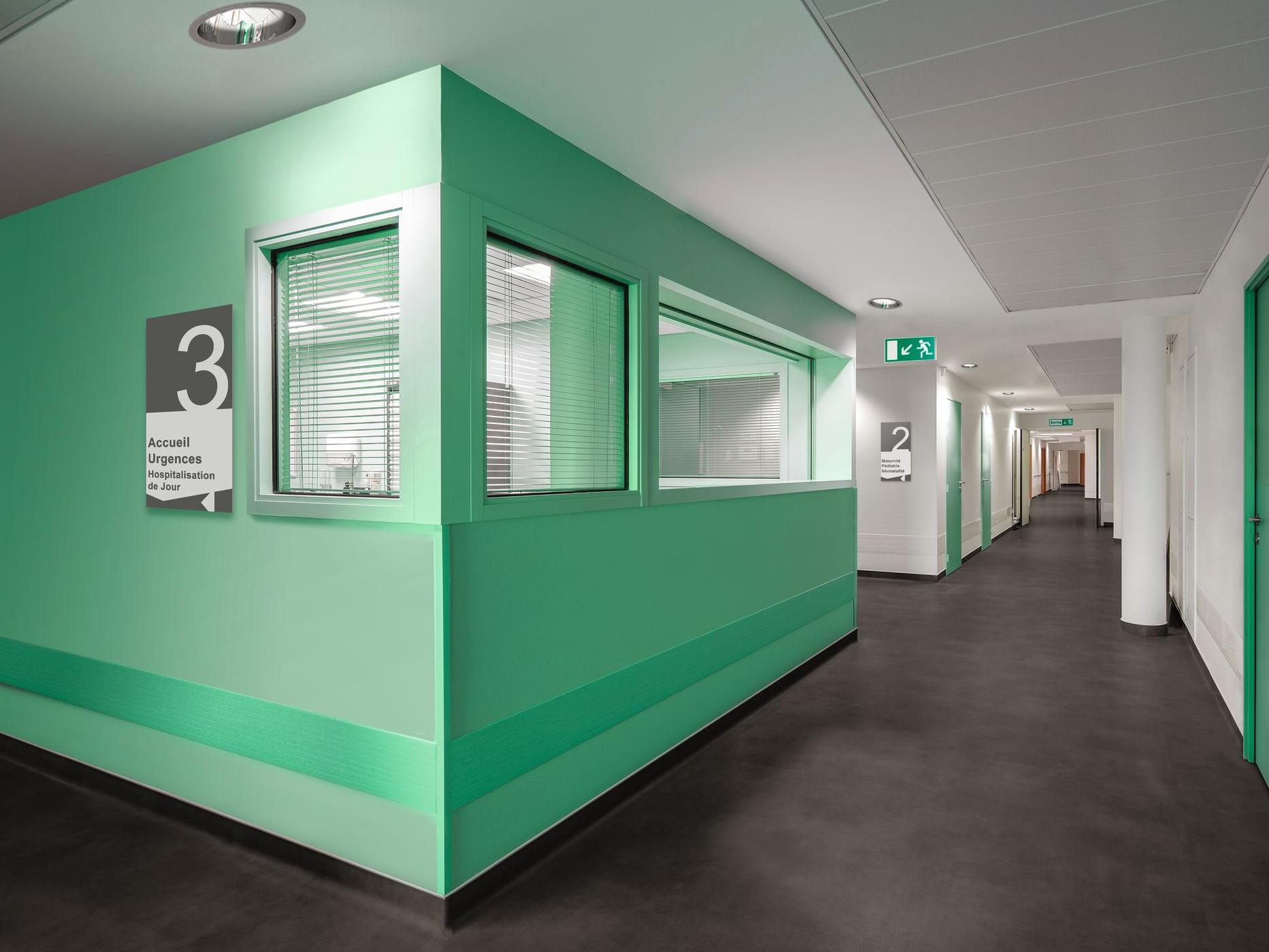
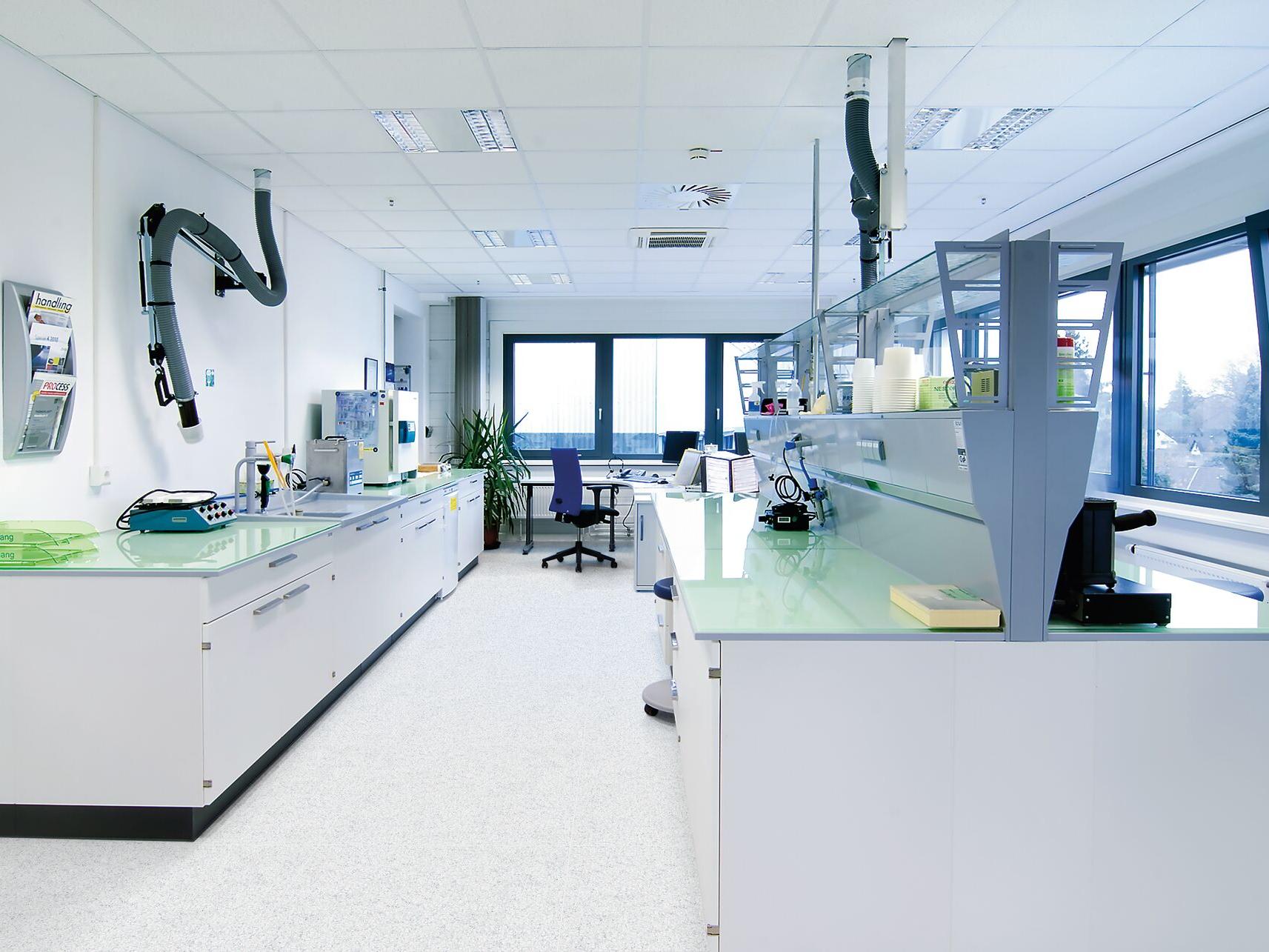
The first requirement for good hygiene within healthcare facilities is that all surfaces, items, and equipment is cleanable. This means that selecting the right materials for surfaces, such as floors and walls, are crucial, especially in clinical areas where hygiene is of the upmost importance.
So, what should be required of floors and walls in clinical areas to reduce infections?
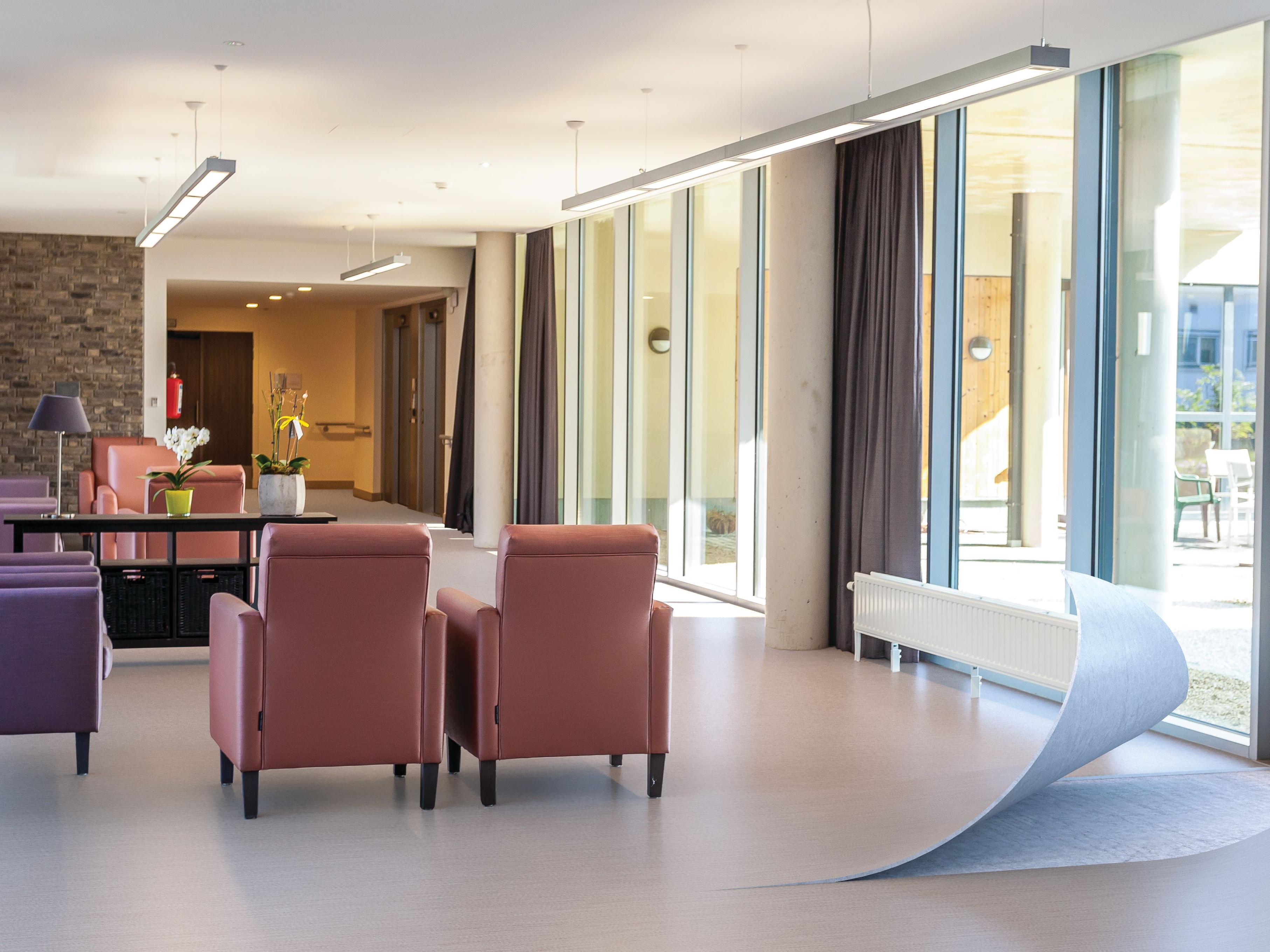
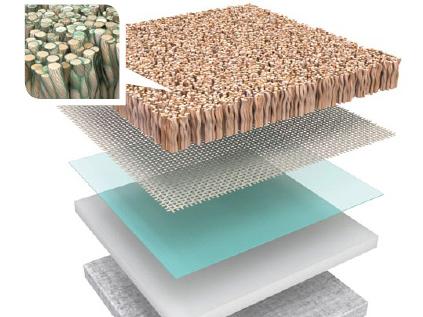
While each category of flooring has its own advantages, when it comes to a healthcare environment cleanability, and chemical resistance to prevent Healthcare Associated Infections has got to be the most important criteria's’ to consider. Its for this reason we would always recommend a high-performance homogeneous vinyl floor in roll format. In particular we would recommend Tarkett’s iQ collections, they can withstand extensive wear and tear, offer the highest levels of hygiene due to having excellent cleanability attributes, provide great chemical resistance, withstand the strongest disinfectants and due to its ability to be dry-buffed can last 60 years, never needing any wax or polish. Once it is time for a new floor, we can take back and recycle the old floor ensuring your discarded waste becomes high quality raw materials once again.
If you would like to learn more about infection control and flooring choices for health spaces visit - https://professionals.tarkett.com/en_EU/node/infection-prevention-control-floorings-10736
*BMJ Journal - https://bmjopen.bmj.com/content/10/1/e033367