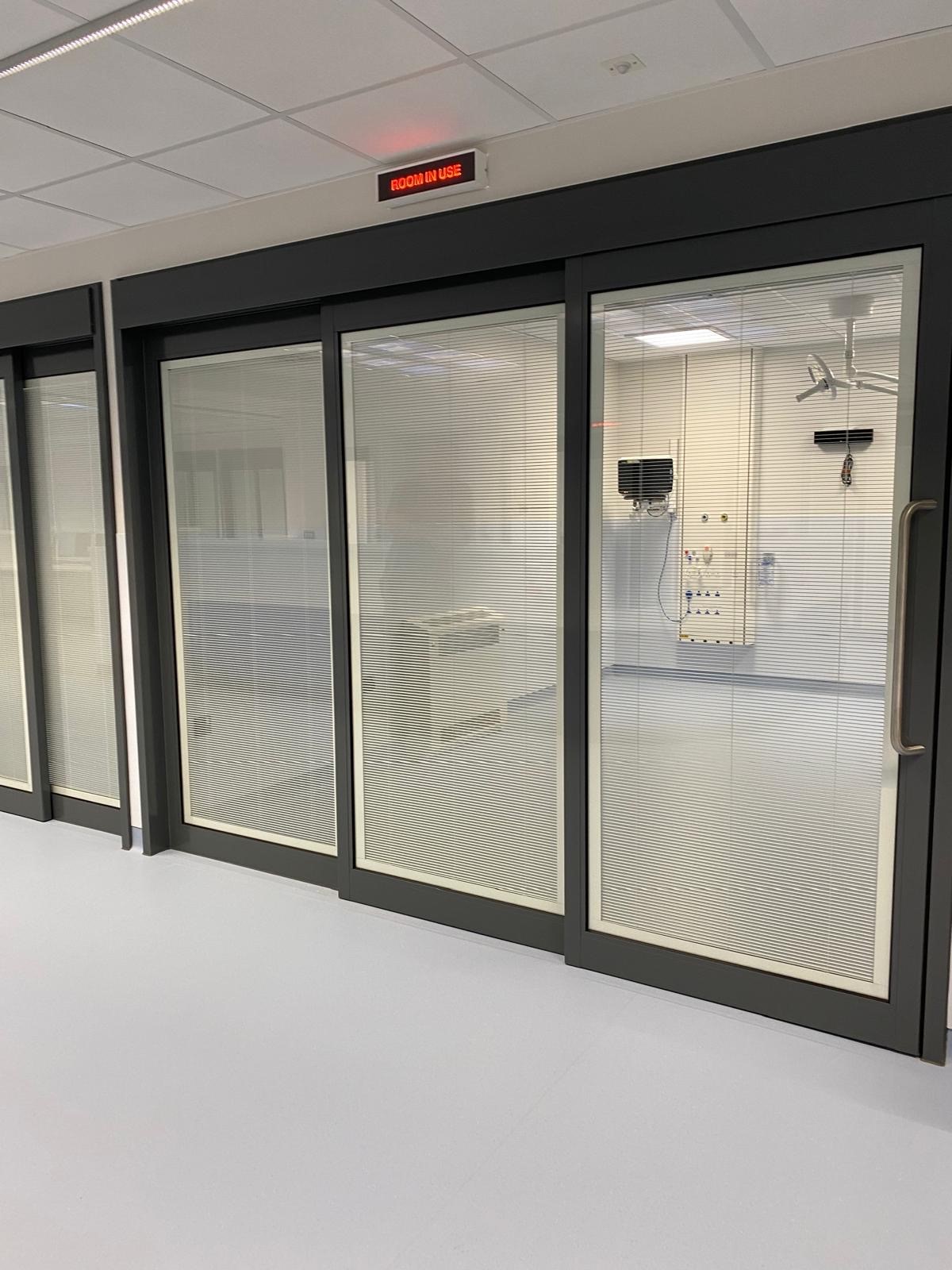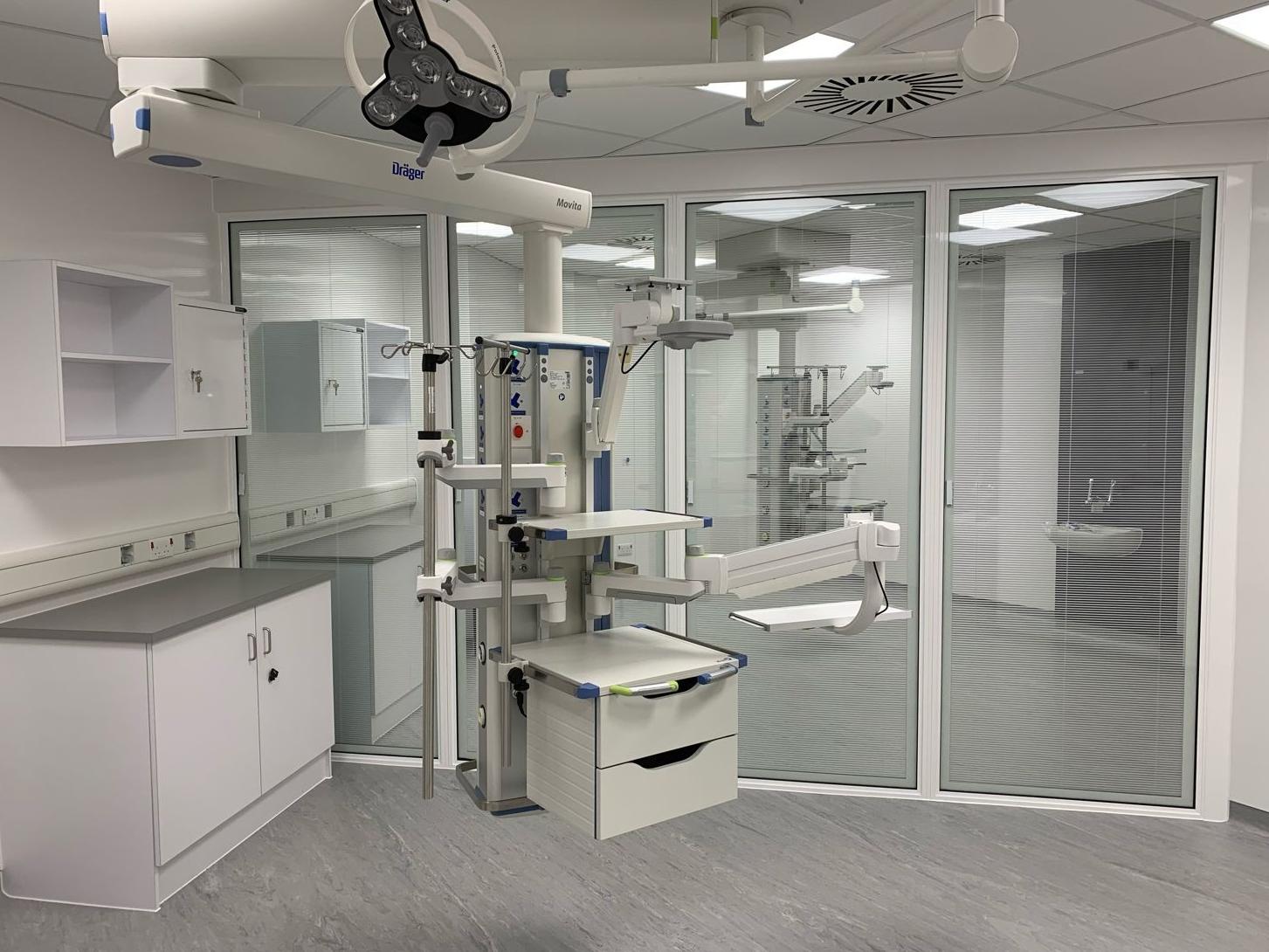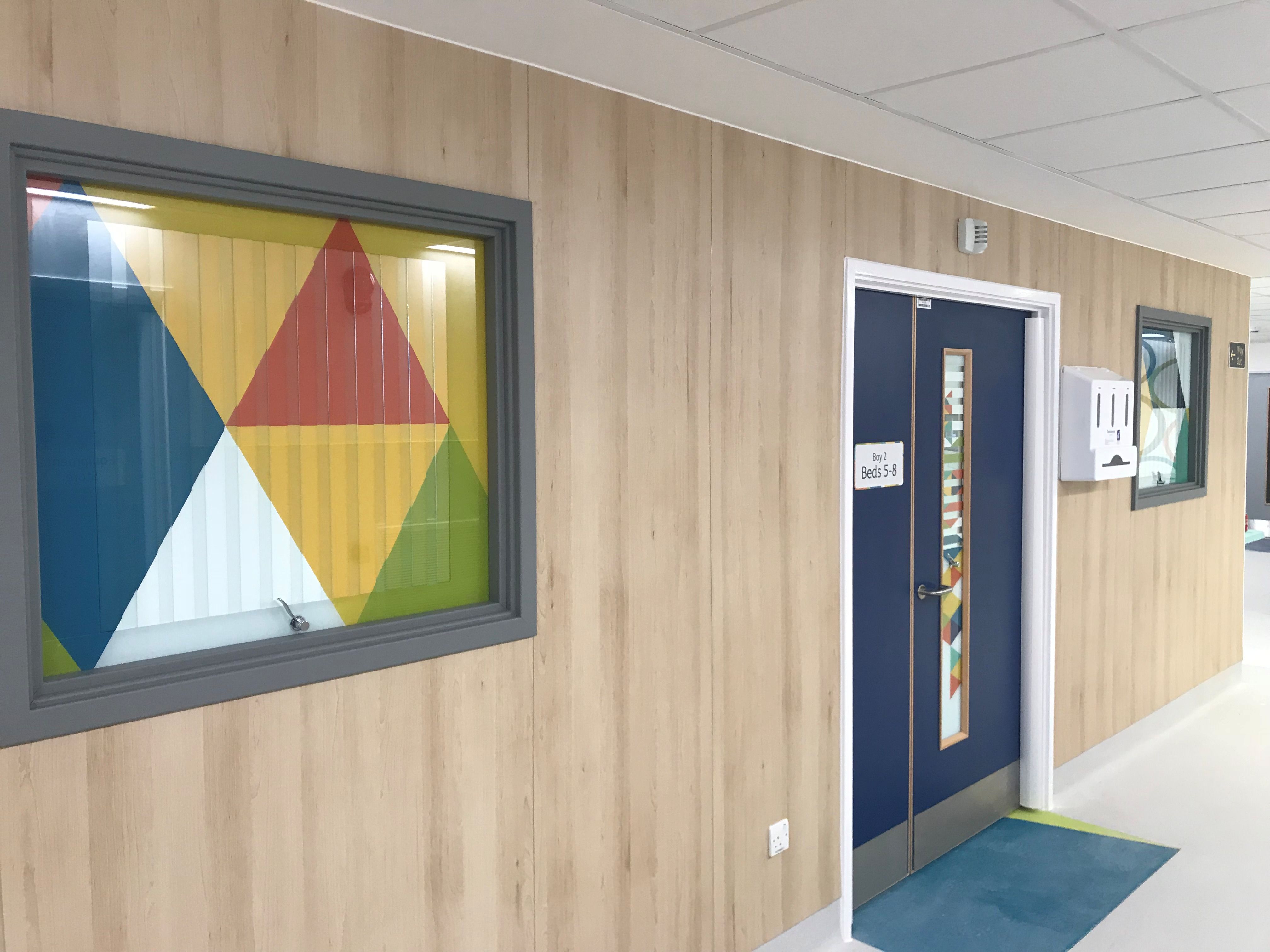
The New Hospital Programme (NHP) is one of the most ambitious healthcare infrastructure initiatives the UK has ever undertaken. Its success will be defined not only by the number of hospitals delivered, but by the quality, resilience, and performance of the environments created within them. As the programme sets new benchmarks for safety, efficiency, and patient experience, design solutions such as Vistamatic Vision Panels and Between Glass Blinds (BGB) are proving to be valuable contributors to these shared goals.
At the heart of the New Hospital Programme is a commitment to patient-centred care. Modern hospitals must offer welcoming, light-filled spaces while maintaining the highest standards of privacy and dignity. Vistamatic vision panels & Between Glass Blinds support this balance by allowing visibility to be adjusted quickly and simply through manual operation. This gives clinical teams direct control over privacy levels, helping patients feel protected and respected while ensuring staff can maintain appropriate observation when required. The result is an environment that feels both open and reassuring.
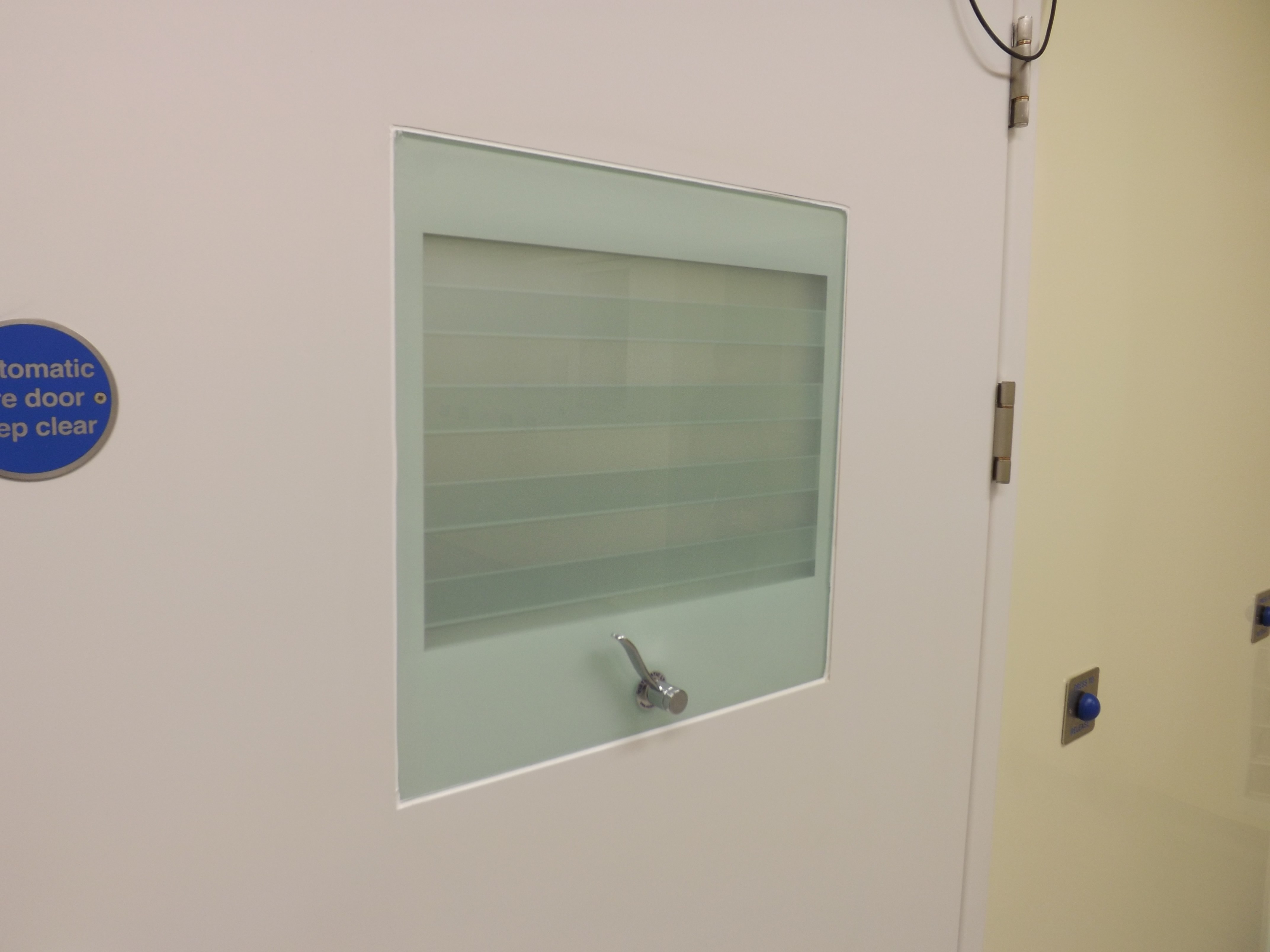
Crucially, both Vistamatic & BGB address one of healthcare design’s most persistent challenges: infection prevention and control. Traditional face fixed blinds are still widely used to manage privacy and shading, despite well-documented issues around hygiene, maintenance, and replacement. Both product ranges reduce the risk of contamination and simplifying cleaning regimes. In an era shaped by the lessons of COVID-19, such design decisions are no longer optional extras; they are fundamental to resilient healthcare infrastructure.
IMAGE 2
Between-glass blinds offer compelling benefits, encased within sealed glazing units, they are protected from dust, damage, and moisture, making them ideally suited to demanding hospital environments. The reduction in cleaning and maintenance requirements is significant, freeing up facilities teams to focus on critical tasks while reducing disruption to clinical services. These efficiencies translate into tangible savings across a hospital’s lifecycle.
Beyond hygiene and durability, both systems play a vital role in supporting staff and patient wellbeing. Access to daylight has been repeatedly linked to faster recovery times, reduced stress, and improved staff performance. Yet daylight must be carefully managed to avoid glare, overheating, and visual discomfort. Between-glass blinds allow precise control of light and solar gain.
Sustainability is another area where these technologies quietly but effectively deliver. By optimising natural light and reducing reliance on artificial lighting and mechanical cooling, they support lower operational energy use. Their long service life and minimal maintenance also contribute to whole-life carbon reduction, aligning with the NHP’s shift toward value-based procurement and long-term environmental responsibility. In a programme measured not just by capital cost but by decades of operation, these considerations matter.
Perhaps most importantly, Vistamatic and between-glass blind systems align with the NHP’s drive toward standardisation and modern methods of construction. They integrate easily into repeatable room designs and modular building systems, supporting consistency, quality, and speed of delivery. This compatibility reduces risk, simplifies specification, and helps ensure that design intent is maintained across multiple sites.
The New Hospital Programme depends on design solutions that deliver lasting value in everyday clinical use. Vistamatic vision panels and between-glass blinds support privacy, infection control, wellbeing, and sustainability while remaining durable and easy to maintain. Their compatibility with standardised and modular construction makes them ideal for delivery at scale, helping ensure new hospitals perform efficiently, safely, and effectively for patients, staff, and estates teams alike.