It is startling to realise how much time has passed since the first lockdown announcements echoed across the UK in March 2020. What once felt like an endless emergency has, in many ways, receded into memory. Yet the legacy of the pandemic is etched permanently into the fabric of the NHS.
In the early days, the NHS faced pressures unseen in peacetime. Hospitals were forced to reconfigure wards at speed, convert operating theatres into intensive care units, and erect temporary Nightingale facilities almost overnight. The focus was survival: ventilators, PPE, staffing rotas stretched to their limits. But as the immediate crisis subsided, attention turned to resilience. How could healthcare estates be designed not merely to cope with a pandemic, but to function better every day?
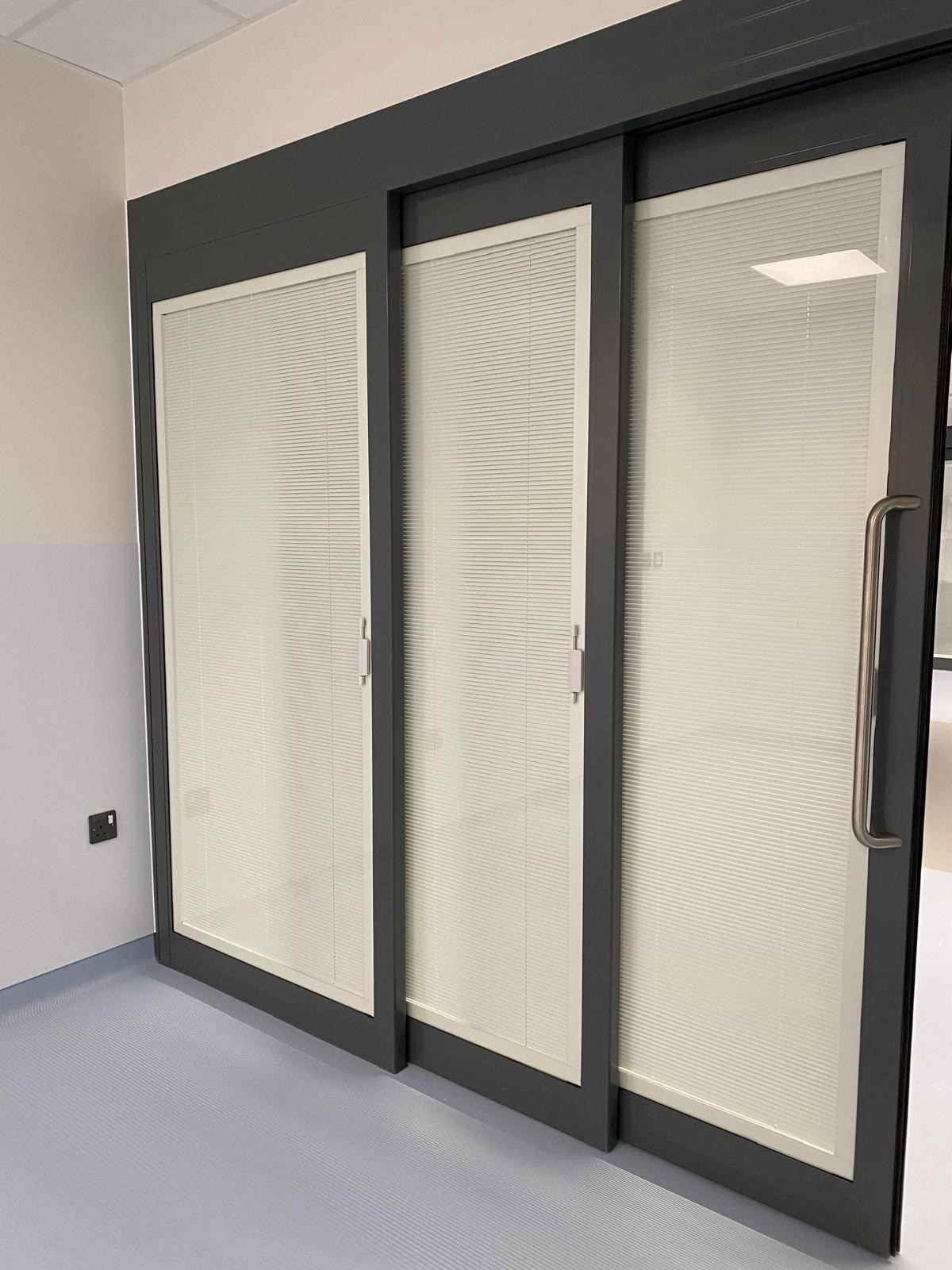
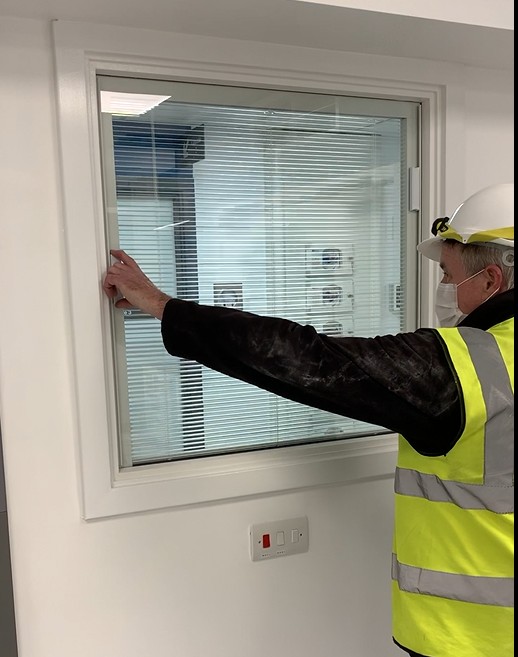
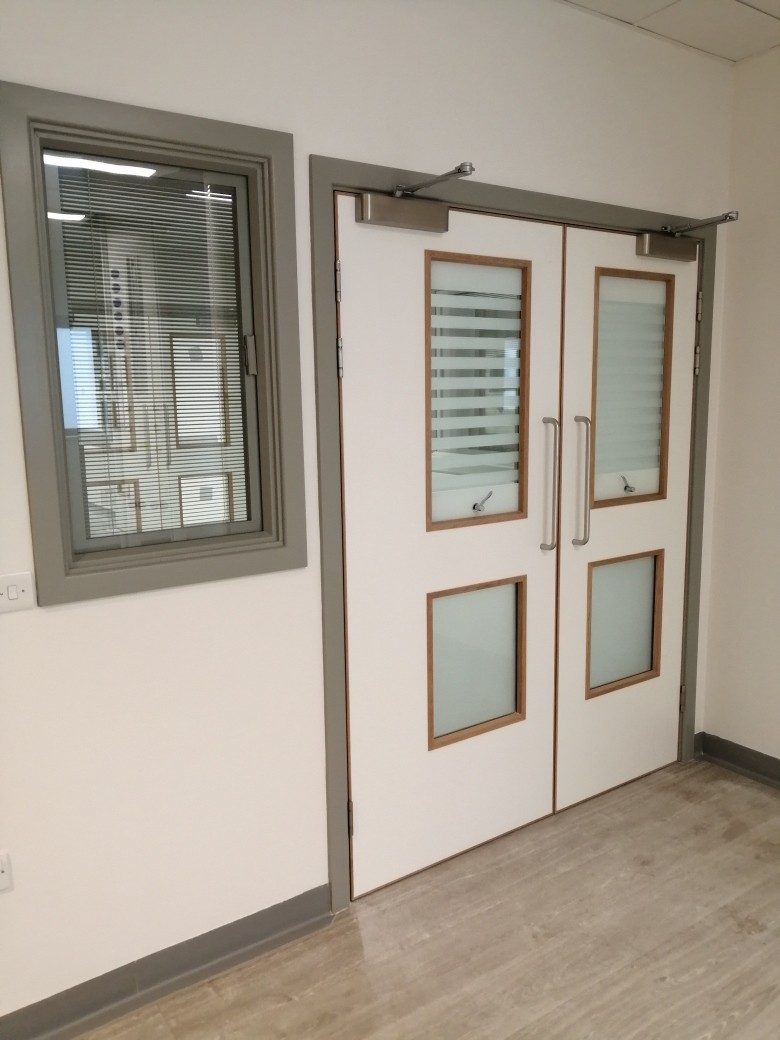
During the height of the pandemic, observation became critical. Clinicians needed to monitor patients frequently while minimising unnecessary physical contact and preserving scarce PPE. Doors that once acted purely as barriers suddenly needed to function as safe viewing points. Vistamatic enabled controlled observation through doors and partitions, allowing staff to check on vulnerable or infectious patients without repeatedly entering rooms. This reduced footfall, limited cross-contamination risks, and helped conserve protective equipment at a time when supply chains were under immense strain.
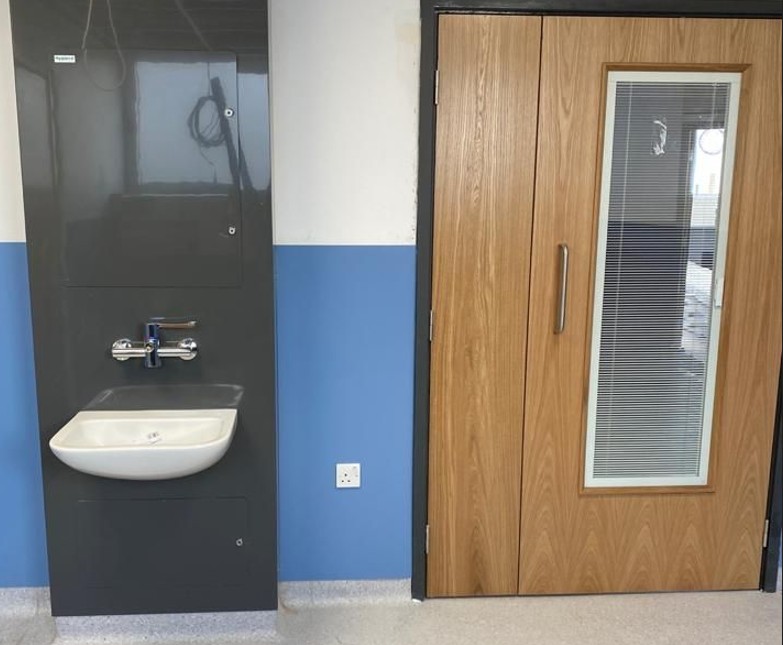
Equally important was patient dignity. Isolation protocols meant many patients were physically separated from staff and loved ones. Adjustable vision panels allowed privacy to be maintained when required, while still ensuring rapid safeguarding checks in high-risk environments such as critical care and mental health settings. The balance between supervision and respect became even more vital under pandemic pressures, and adaptable door vision systems supported that balance.
The pandemic highlighted how physical spaces can either hinder or help clinical work. Open wards posed challenges for isolation, at the same time, staff needed clear sightlines to monitor patients while limiting unnecessary contact.
This is where modern design solutions have become central rather than peripheral. Between Glass Blinds have been at the forefront; removal of traditional curtains and surface-mounted blinds that can harbour pathogens, were now being removed for the hygienic alternative. Blinds sealed between panes of glass reduce touchpoints and maintenance demands, supporting stricter hygiene regimes. In a post-pandemic NHS estate strategy, materials and fixtures are judged not only on cost but on their contribution to infection prevention and long-term durability.
These features may seem understated compared to the drama of ventilator shortages or vaccination rollouts, yet they represent a deeper cultural change. The NHS is increasingly embedding infection control into the blueprint stage of construction rather than retrofitting solutions after problems arise. New hospital programmes and refurbishments now routinely consider airflow, modular flexibility and layout. Design teams work more closely with clinicians, estates managers, and infection prevention specialists than ever before.
The crisis may feel long ago, but its imprint is everywhere: lessons are built into the walls, doors and glazing of today’s NHS facilities. The legacy of the pandemic is not only clinical or operational — it is architectural. And in the details of privacy, safety and infection-resistant design, the NHS is better prepared for whatever comes next.