The expected change of Prime Minister could have significant implications for the NHS, with health leaders watching closely to see whether a new administration accelerates existing reforms or changes direction.
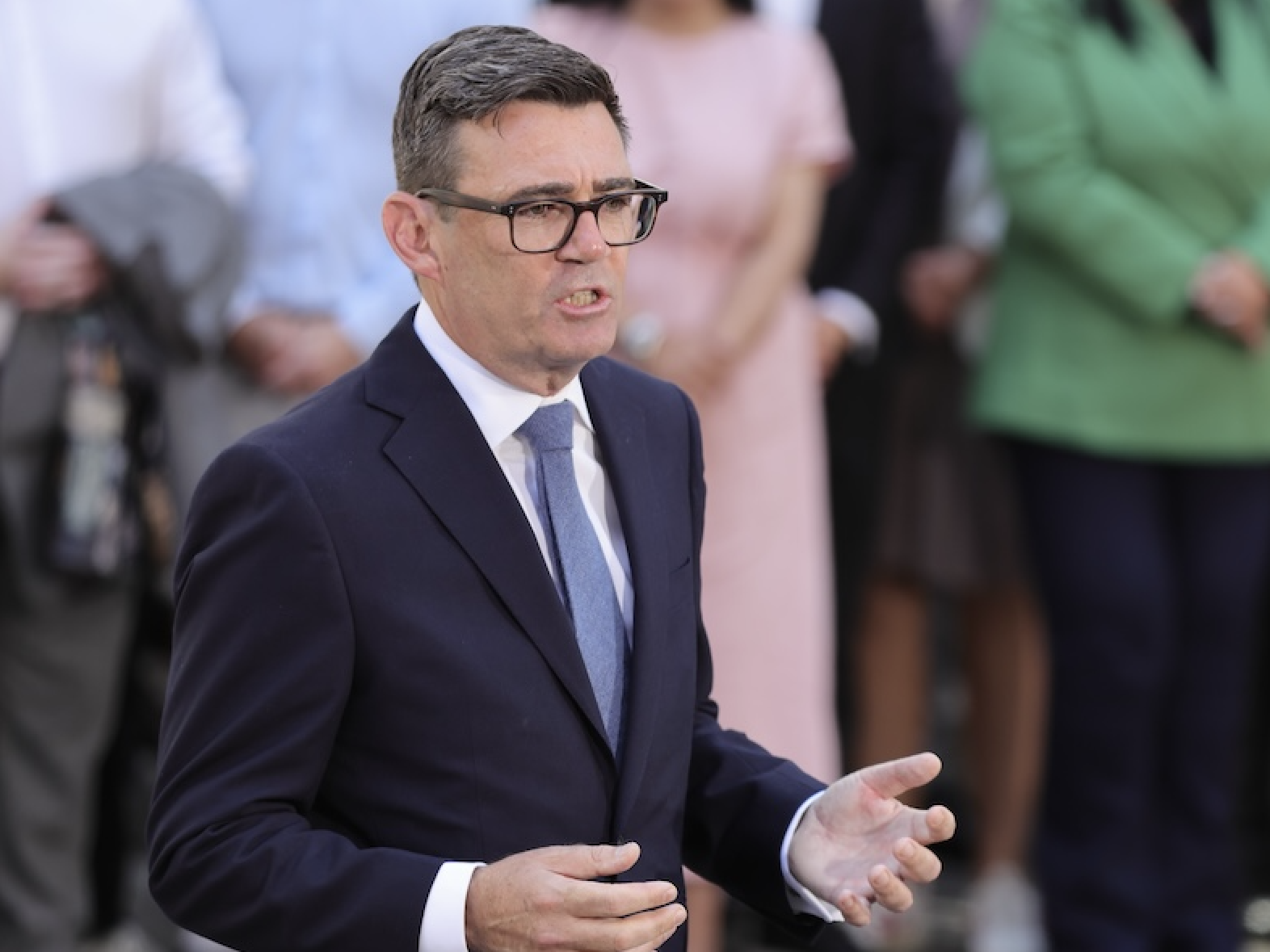
Andy Burnham is widely expected to succeed Keir Starmer as Prime Minister following Starmer’s resignation, with a transition of power now under way. The change comes at a critical moment for the health service, as ministers seek to reduce waiting lists, expand community-based care and push ahead with wider reforms to NHS governance.
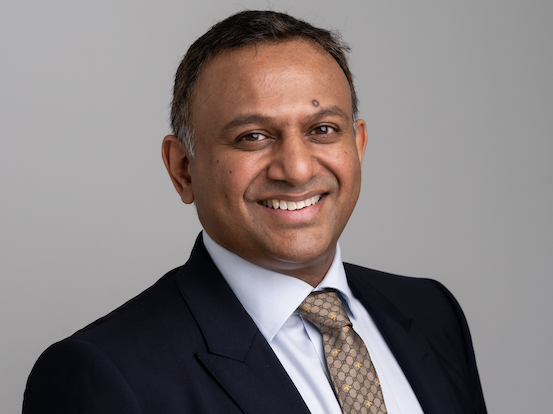
James Murray, who was appointed Secretary of State for Health and Social Care in May, following Wes Streetings resignation, is currently responsible for delivering the Government’s NHS agenda. His early priorities include modernisation, digital transformation, neighbourhood-based care and bringing the health service closer to patients.
If Murray remains in post under a Burnham premiership, the NHS may see continuity in the short term, with the existing reform programme continuing largely as planned. If Burnham appoints a new Health Secretary, the sector could face another period of uncertainty at a time when NHS leaders are already dealing with major operational and financial pressures.
Burnham’s own record suggests health and social care could become a central domestic priority. As a former Health Secretary and Mayor of Greater Manchester, he has long argued for more joined-up public services and greater local decision-making. His experience in Greater Manchester, where health and social care devolution became a major policy focus, could influence the direction of national reform.
That could mean a stronger emphasis on regional health inequalities, integration between the NHS and local government, and the relationship between health, social care, housing and employment. It may also increase pressure for long-promised reform of adult social care, which remains one of the biggest barriers to improving hospital flow and reducing delays in discharge.
However, any immediate change is likely to be limited. The NHS is already operating under a substantial reform agenda, and a new Prime Minister would need to balance political ambition with the need for stability. Health leaders are likely to want clarity on funding, workforce planning and the future role of NHS England, rather than another major structural reset.
Murray’s appointment also matters because he brings Treasury experience to the health brief. That could prove important as the NHS seeks to deliver reform while operating within tight public spending constraints. For suppliers, providers and system leaders, the combination of a new Prime Minister and a relatively new Health Secretary raises questions about how far the Government will prioritise investment, prevention and service redesign.