Eleven NHS trusts have signed long-term agreements with construction partners to deliver new hospital schemes across England as part of the government’s New Hospital Programme.
The agreements cover projects from Manchester and Cornwall to the east of England and represent the first wave of partnerships under the programme’s Hospital 2.0 delivery model.
The approach is intended to standardise the design, construction and operation of new hospitals while allowing individual NHS trusts to retain responsibility for ensuring schemes meet local patient, staff and community needs.
Hospital 2.0 combines national design standards, digital technology and modern methods of construction, with the government aiming to improve productivity, reduce duplication and deliver hospitals more efficiently.
The partnerships are also intended to give construction companies greater certainty over the project pipeline and support investment in skills and workforce development.
Karin Smyth, minister of state for health, said the agreements represented a move away from lengthy procurement processes.
She said: ‘For too long, the construction of new hospitals has been bogged down by bureaucratic procurement processes, even after full approval and funding was in place, and we’re determined to change that.
‘The changes announced today are a major step forward in streamlining the procurement process. Patients can look forward to new hospitals being delivered quicker, industry can plan with certainty, and taxpayers can be assured that we are getting maximum value for their money.’
Natalie Forrest, chief programme officer for the New Hospital Programme, said the alliance represented ‘a new way of delivering major public infrastructure’.
She added: ‘By bringing together NHS organisations and industry as genuine partners, we’re creating a model that combines national consistency with local leadership.
‘Together, we’ll deliver hospitals that are safer, more sustainable and designed to meet the needs of patients and staff for generations to come.’
Under the model, NHS trusts will continue to lead the delivery of their individual hospital projects, while common national standards will be used across the programme.
The government said the long-term arrangements would also allow trusts and contractors to share expertise and lessons between schemes rather than treating each hospital as a standalone development.
Charlotte Taylor and Paul Mustow, senior responsible owners for the New Hospital Programme at the Department of Health and Social Care, said: ‘By combining national leadership with local expertise, we’re creating a more collaborative approach to delivering the next generation of NHS hospitals – one that supports innovation, delivers better value for taxpayers and leaves a lasting legacy for patients and staff.’
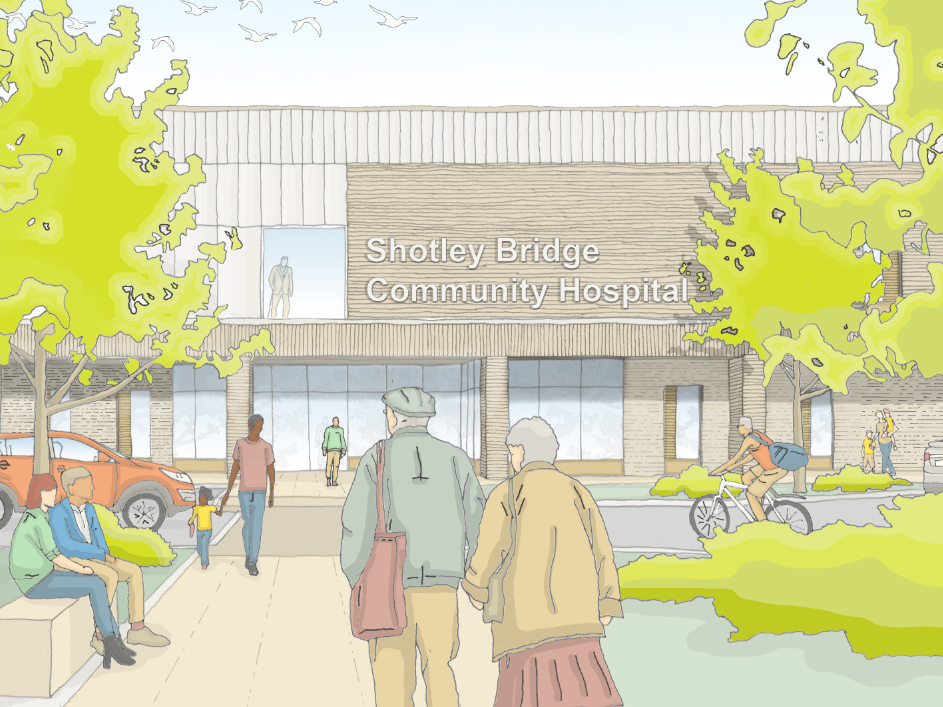
The first 11 partnerships are:
The government said the agreements mark the start of the delivery phase for the first group of Hospital 2.0 schemes and form part of its wider commitment to modernise NHS infrastructure.