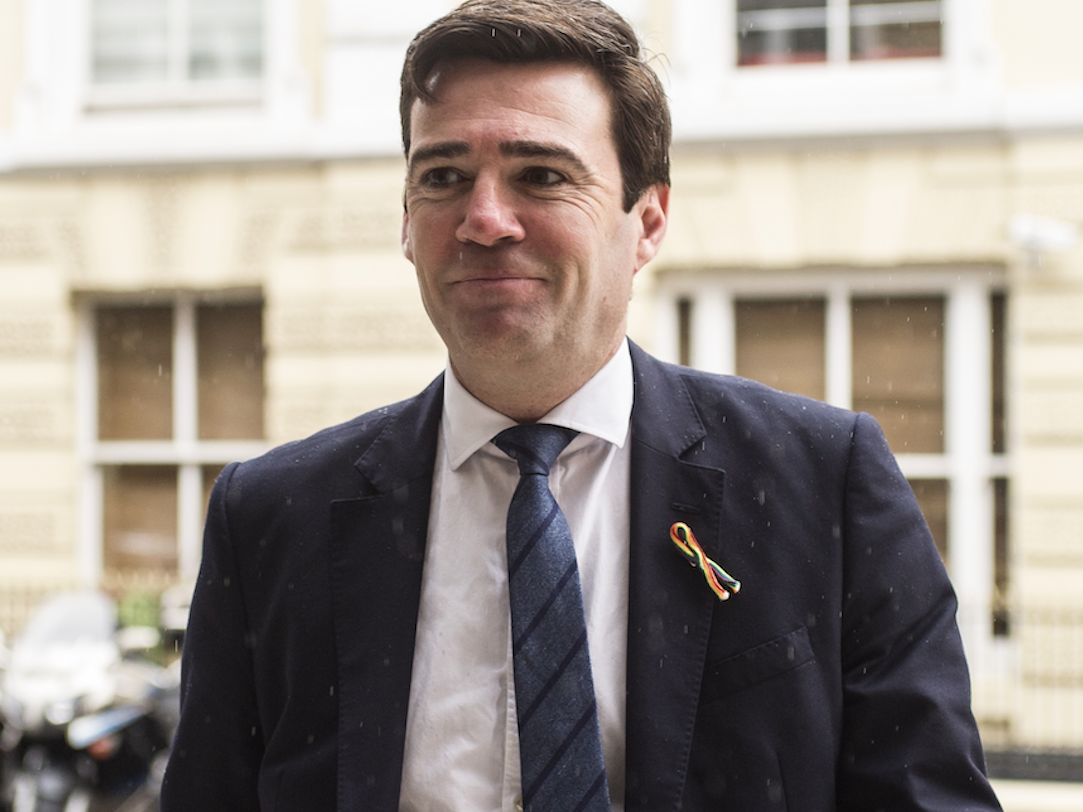
Prime Minister Andy Burnham has announced a £343m expansion of mental health services in England in a bid to provide earlier support and prevent people reaching crisis point.
Under the plans, up to 159 new NHS mental health facilities will open across England, including 100 community mental health centres and 59 dedicated mental health emergency departments.
The community centres will offer walk-in support without the need for a referral, while bringing mental health teams together with GPs, councils and voluntary organisations. They will also provide links to housing and employment support.
Meanwhile, the specialist emergency departments are intended to give people experiencing a mental health crisis an alternative to attending a conventional A&E department.
The first centres are due to open from autumn 2026, with further facilities following from March 2027. Some will be purpose-built while others will be located in existing community spaces.
The government said the programme represents the biggest redesign of mental health services in a generation and is intended to move care away from crisis intervention towards prevention.
Burnham said thousands of people were currently waiting months for support before finding that a busy A&E was the only service available to them.
He added that the new centres would bring NHS support closer to home and make it easier for people to receive help before their problems became more serious.
Health and Social Care Secretary Yvette Cooper said the expansion would help tackle long waits and ensure people requiring urgent treatment were seen by specialist mental health teams in an appropriate setting.
The government said demand for mental health support had risen sharply, particularly among children and young people, with around one in five people experiencing a common mental health condition each year.
The measures will form part of a forthcoming mental health strategy examining not only NHS provision but the role of employers, schools, local authorities and the voluntary sector.
Ministers said earlier intervention was also intended to help more adults remain in or return to employment and support children to stay in education.
Mark Rowland, chief executive of the Mental Health Foundation, welcomed the focus on combining treatment with wider support, noting that factors such as unemployment, problem debt and insecure or poor-quality housing can contribute to poor mental health.
However, the announcement comes against a difficult financial backdrop for mental health services. Recent reports have indicated that many NHS mental health trusts are planning service and workforce reductions as they attempt to meet savings targets, prompting concerns from charities and healthcare leaders about their ability to meet rising demand.